My Approach
Well-being and eco-friendly practices belong together.
Path to Connection
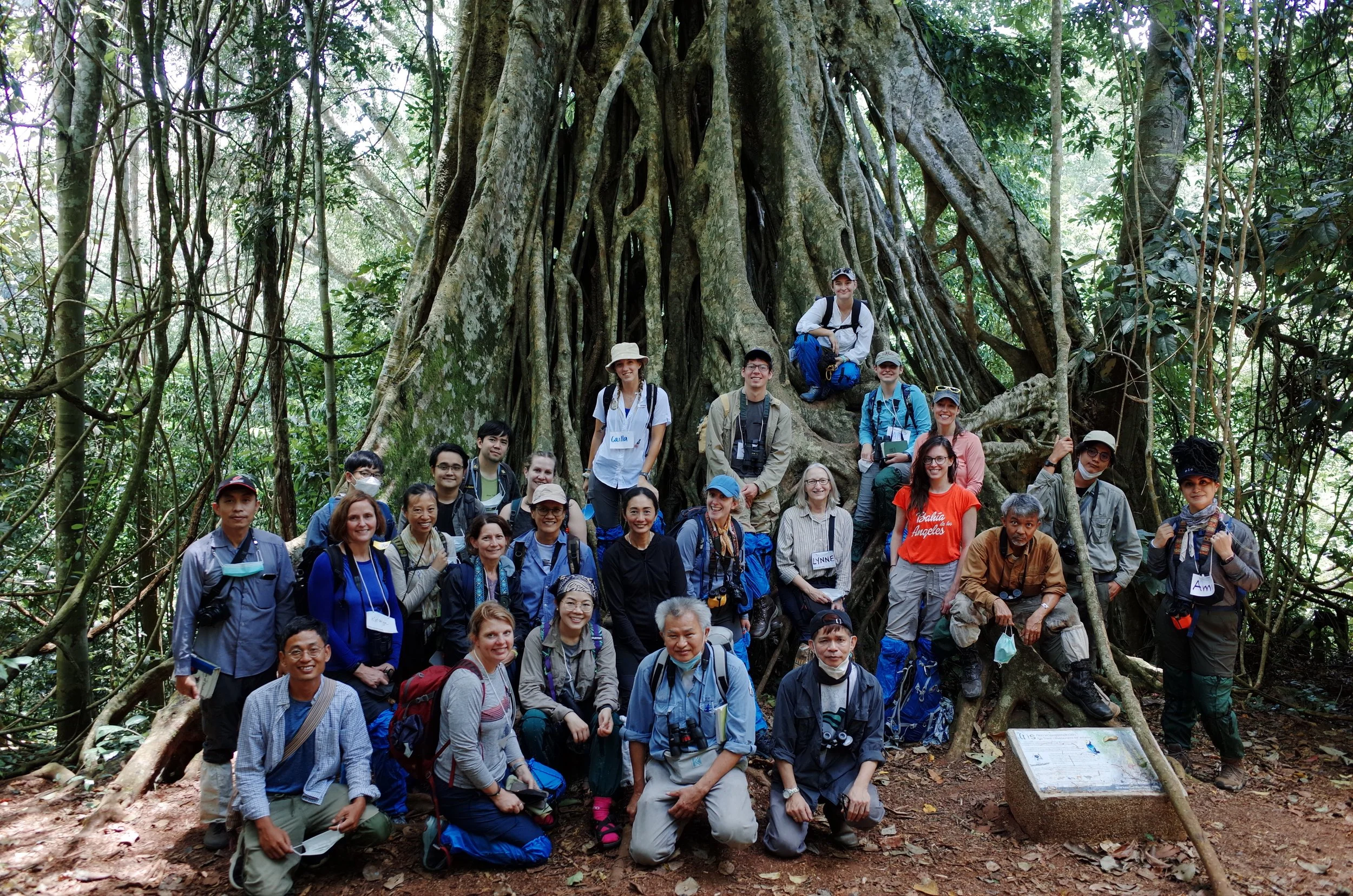
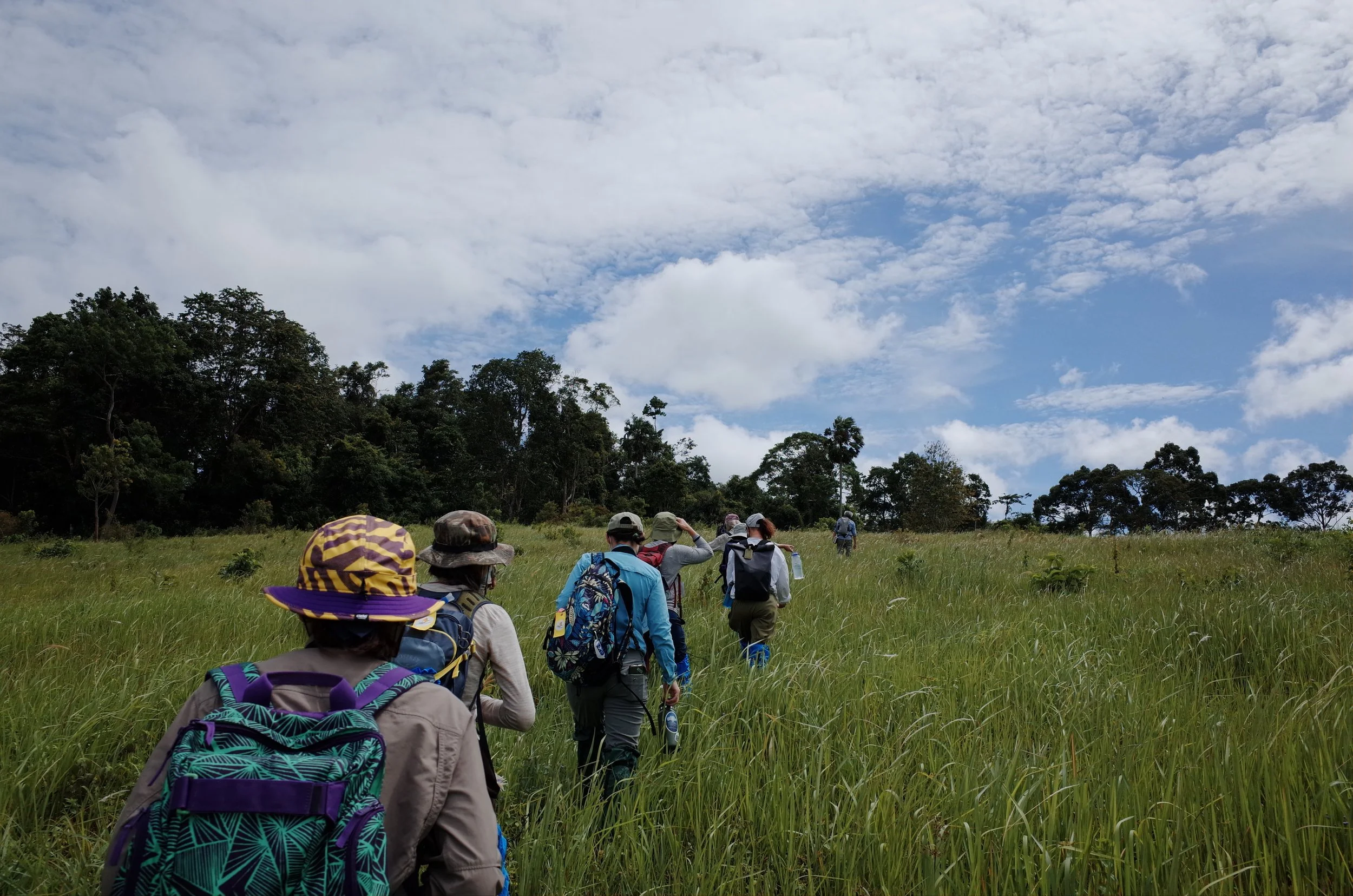
While earning my master’s in biology, I spent time in Thailand. I observed a hornbill research team in Khao Yai National Park for five days, then spent another five days learning from monks at a local monastery who cared deeply about the environment.
Through these experiences, I witnessed a strong link between contemplative practices, community involvement, and conservation.

Protecting hornbills was about more than research and awareness. Local communities helped by sharing regional knowledge, telling stories, singing songs, hosting festivals to celebrate hornbills, and volunteering to protect and restore habitats and nesting sites. A win for people, nature, and planet!
I returned home wanting to bring that same contemplative approach to our Northeast Florida communities.
I use that approach to design experiences combining wellness, nature, and conservation.
Since everyone connects in their own way, my programs might include movement, breathwork, mindfulness, music, art, writing, storytelling, spending time outdoors, or volunteering.
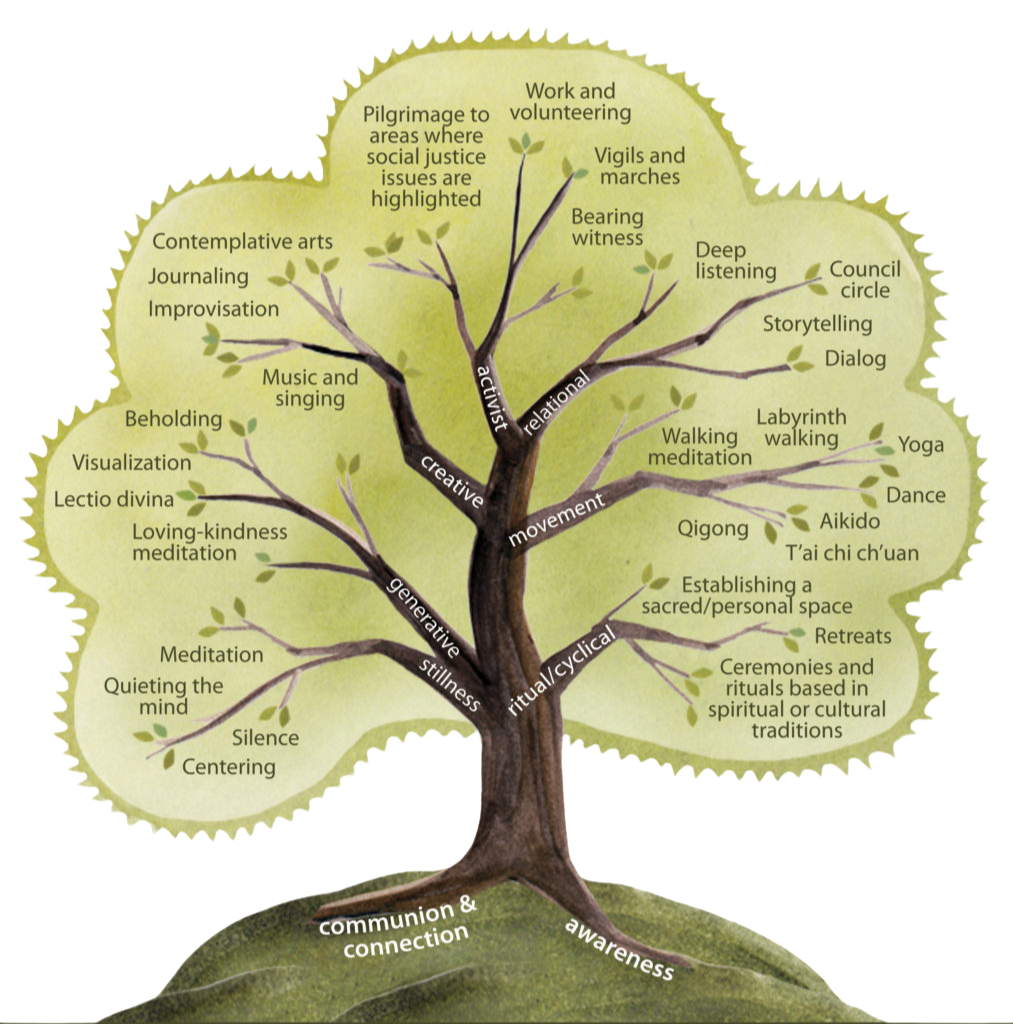
I often turn to the Tree of Contemplative Practices for ideas. Its many branches show different ways to slow down, reflect, connect, and take part. This reminds me that there isn’t just one way to find well-being or build a deeper relationship with nature.
My goal is to help people find what speaks to them, make those connections matter in daily life, and discover practical ways to care for themselves, their communities, and the planet.
Image is from the Center for Contemplative Mind in Society’s website: http://www.contemplativemind.org/practices/tree
Connecting people with nature takes more than information.
It takes meaningful experiences that inspire them to care, and give them ways to act.
Every workshop and class can include pre- and post-surveys designed around the goals of the experience. We measure changes in areas such as awareness, connection, well-being, and intention to take action—offering a clearer picture of what participants experienced and what they are more likely to do differently.
You receive more than attendance numbers. You will see a results summary showing what participants reported before and after the experience, key takeaways, participant feedback, and measurable shifts related to the program goals. For longer programs, measurement can continue through follow-up check-ins to see whether intentions become lasting habits and actions.
The result: meaningful experiences with measurable outcomes you can share.
We measure what changes
BEFORE
What do participants know, feel, or do now?
EXPERIENCE
What did they learn, practice, or experience?
AFTER
What changed?
FOLLOW UP
Did awareness become action?