
Enlisting Signs to Combat Plant Awareness Deficit
Abstract
Most signs and exhibits in the Jacksonville Zoo and Gardens (JZG) focus on the animals. Having the majority of signage dedicated to animals is not surprising, as most visitors are there to watch and engage with animals, as witnessed by the crowds around the animal exhibits and the rare occurrence of someone stopping to smell the flowers. While there is robust visitor engagement with the animals, attention to the plants is dramatically less (Lankenau, 2022). Sparked by discussions with JZG employees about Plant Awareness Deficit, coupled with the limited time JZG employees have to act as plant ambassadors, this study sought to discover if signs could draw JZG visitor attention to the plants. If data reveals signs can assist as plant ambassadors, this could prove valuable for future signage and exhibit ideas.
Plant awareness deficit, sometimes called plant blindness, is the human tendency to ignore plants. Since plants are essential to the survival of all species, disregarding them will have far-reaching consequences (Thomas et al., 2020). By connecting people with plants, the local community could become more aware and engaged with creating and saving habitats for these vital species that quietly provide life-saving elements, such as food, shelter, medicine, and clean air. This study shares a detailed analysis indicating a favorable opportunity for JZG signage to ease the severity of plant awareness deficit.
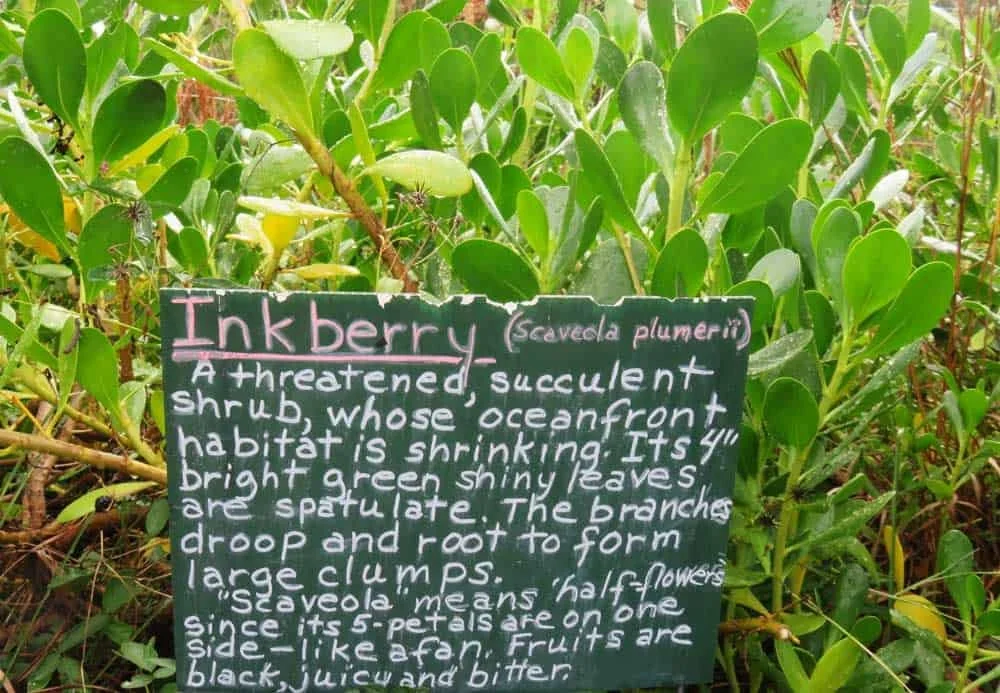
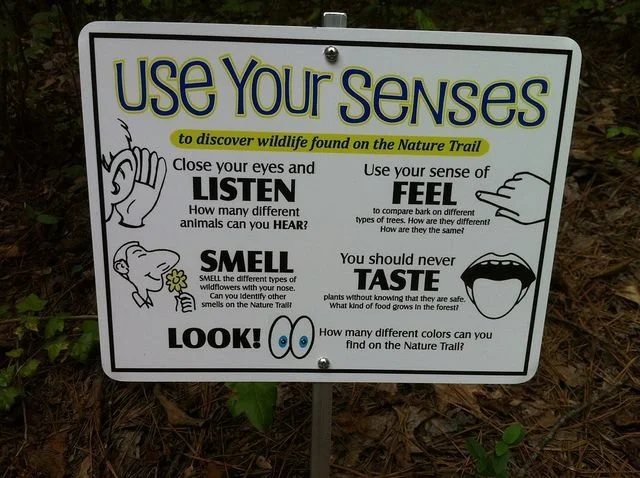
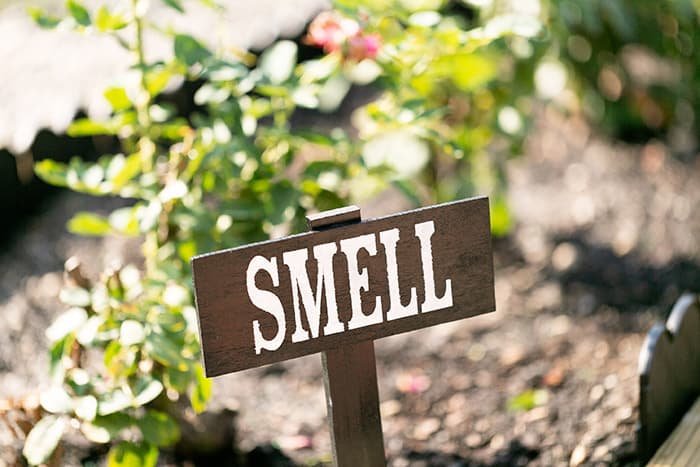
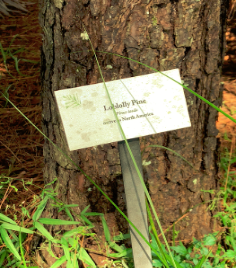
While gathering data for the signs I created, I noted that not one JZG visitor stopped to read the current Loblolly Pine sign.
On three Saturdays, in the same location, same time, I observed visitors and gathered data for two hours. My objective was to calculate the number of people who:
stopped to read each sign
touched the pine needles.
I discovered 60% of visitors stopped at Sign 1, 30% stopped at Sign 2, and 55% stopped at Sign 3. In addition, 5% of visitors who stopped at Sign 1, also touched the pine needles.
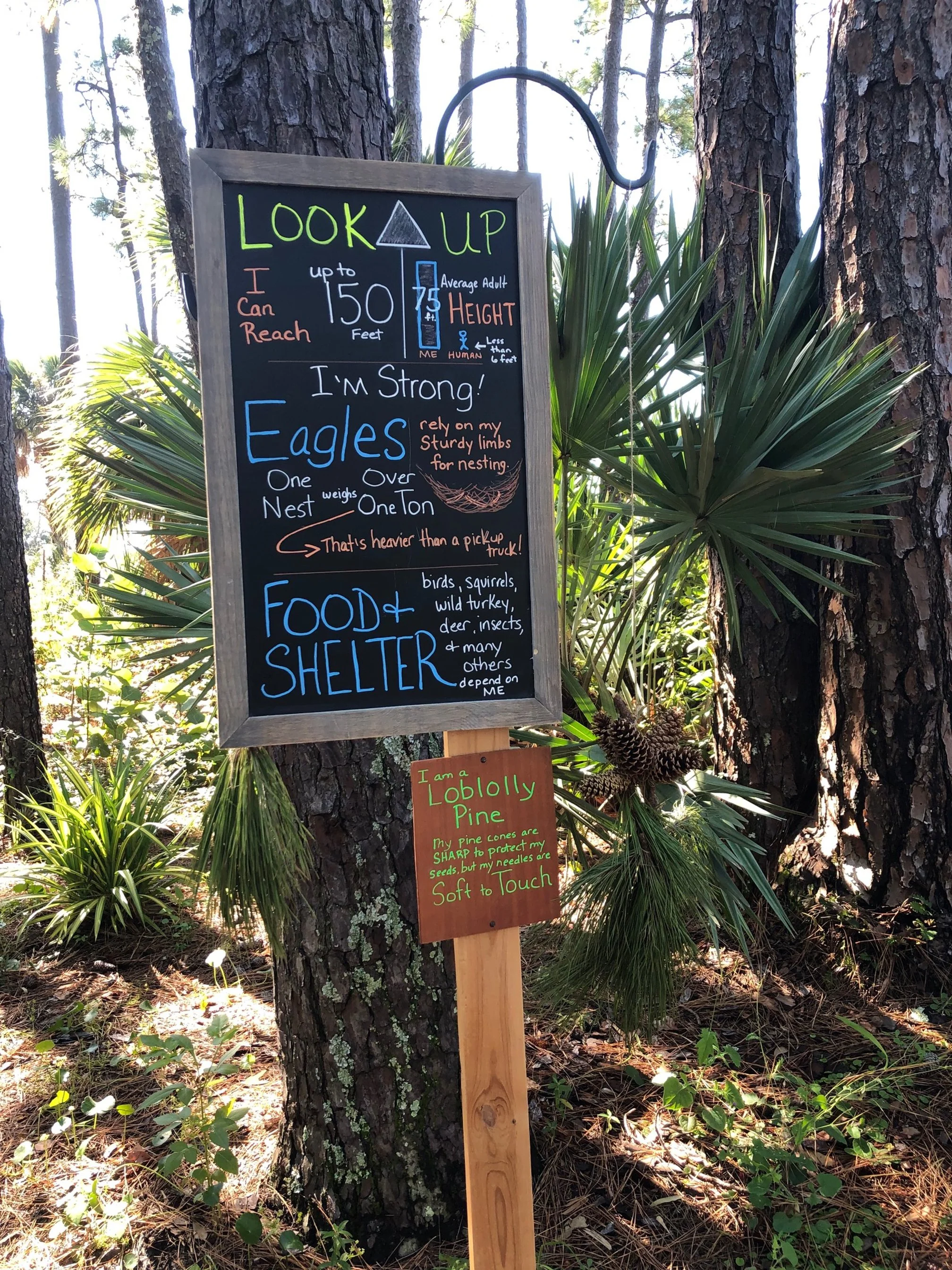
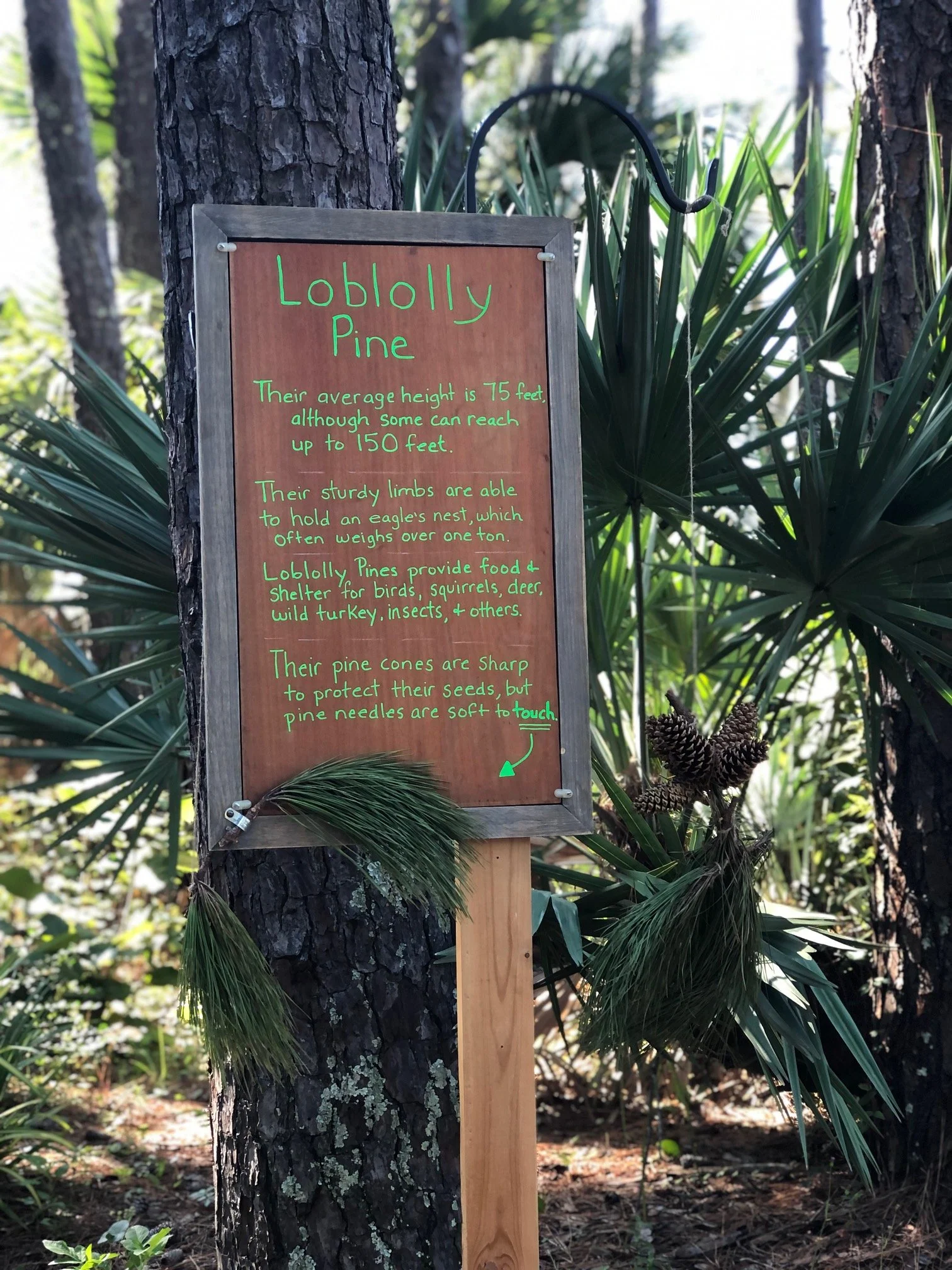
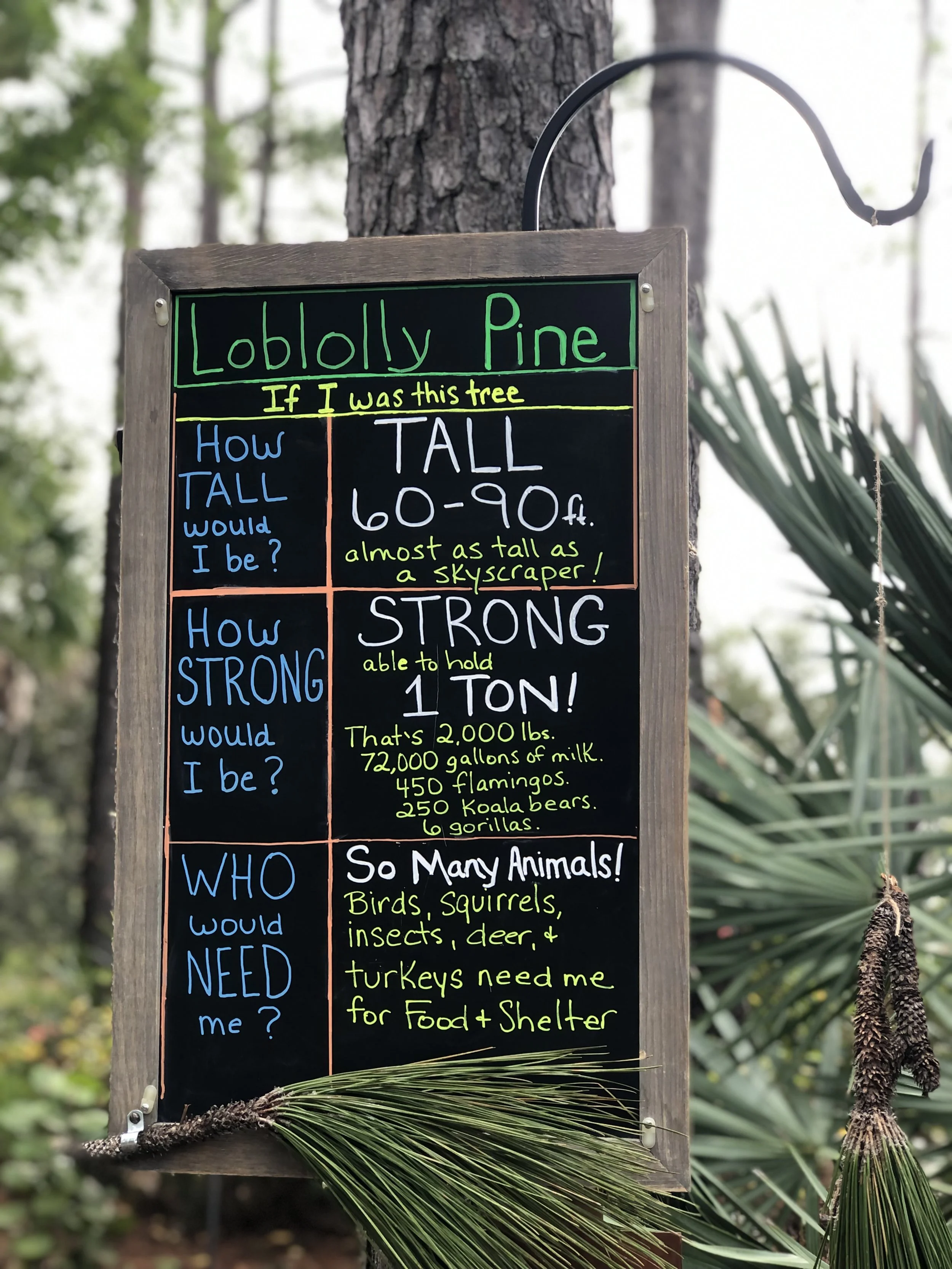
While encouraged by my results, I recommend that JZG have an employee engage with visitors who stop at signs. Visitors approached me with Loblolly Pine comments and questions every time I put up and took down a sign. Over 500 people walked by Sign 1 in 2 hours one Saturday, demonstrating an opportunity to engage visitors. In the future, I believe JZG could post an attention-grabbing sign with a horticulturist to introduce a plant for a couple of hours one Saturday a month to connect more visitors with their gardens.