
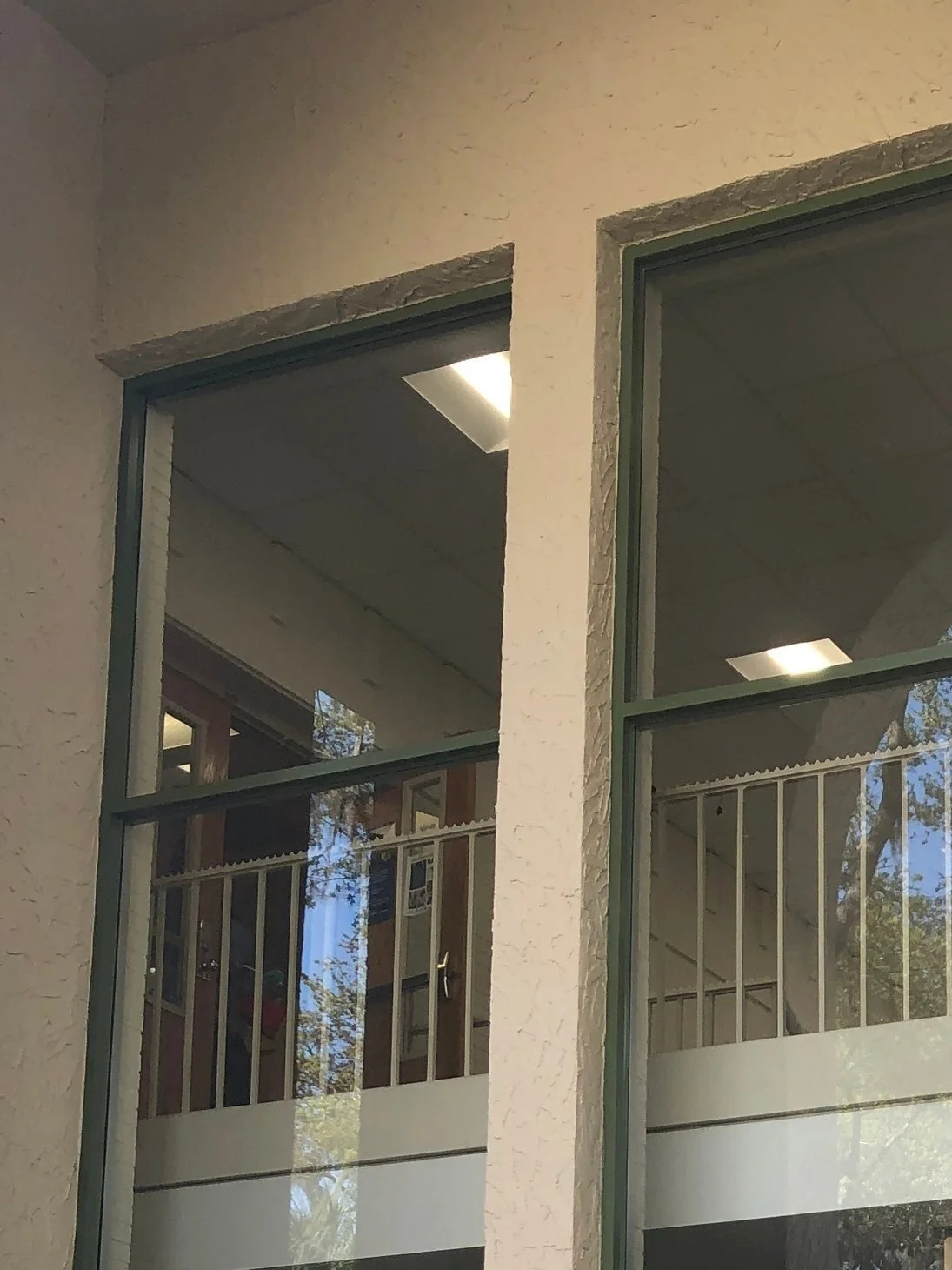
Flock of students rallies for a bird-safe campus
Lighting the Way to Safer Skies: A Collaboration with Local Students and Educators
When a passionate high school biology professor reached out to Lights Out Northeast Florida (LONF) on behalf of his students, we knew we had a unique opportunity to make a difference. Concerned about bird-window collisions on their historic campus, the professor and his students were eager to learn how they could help protect migratory birds passing through their community.
Building Awareness and Sparking Action
I kicked off our collaboration by visiting two of the school’s biology classes, presenting the effects of artificial light on migratory birds and sharing actionable solutions. Armed with samples of bird-friendly window treatments, I demonstrated practical ways to reduce bird collisions and engaged students in brainstorming strategies to present these ideas to school administrators. Together, we explored how to align bird-friendly actions with the school’s mission and priorities, helping the students feel empowered to advocate for change.
Taking the Next Step
After the presentation, the students requested a bird-friendly building assessment. I joined them on campus to identify areas of concern and provided a detailed report with tailored recommendations for review. Their enthusiasm was inspiring, but the journey wasn’t without challenges.
Overcoming Hurdles
The school administrators raised valid concerns about how bird-friendly deterrents might affect the aesthetics of their historic buildings. Additionally, the cost of window treatments and installation posed financial challenges. To address these issues, we invited the administrators to the Jacksonville Zoo & Gardens, where they could see firsthand how bird-friendly window treatments blend seamlessly into architecture while effectively protecting wildlife.
A Bright Success
Change doesn’t always happen overnight, but we celebrated a major win: the school committed to turning off non-essential lighting at night during migratory months. This simple yet impactful step aligns with LONF’s mission to reduce light pollution and create safer skies for migratory birds.
Looking Ahead
As the professor continues collecting data on bird collisions and engaging with the administration, LONF remains a supportive partner, offering solutions and encouragement. We’re optimistic that 2025 will bring further progress, including the implementation of bird-friendly window treatments.
This collaboration highlights the power of education, advocacy, and partnership in driving meaningful change. Together, we’re proving that even small steps can have a big impact—and that communities can unite to create a safer world for wildlife.
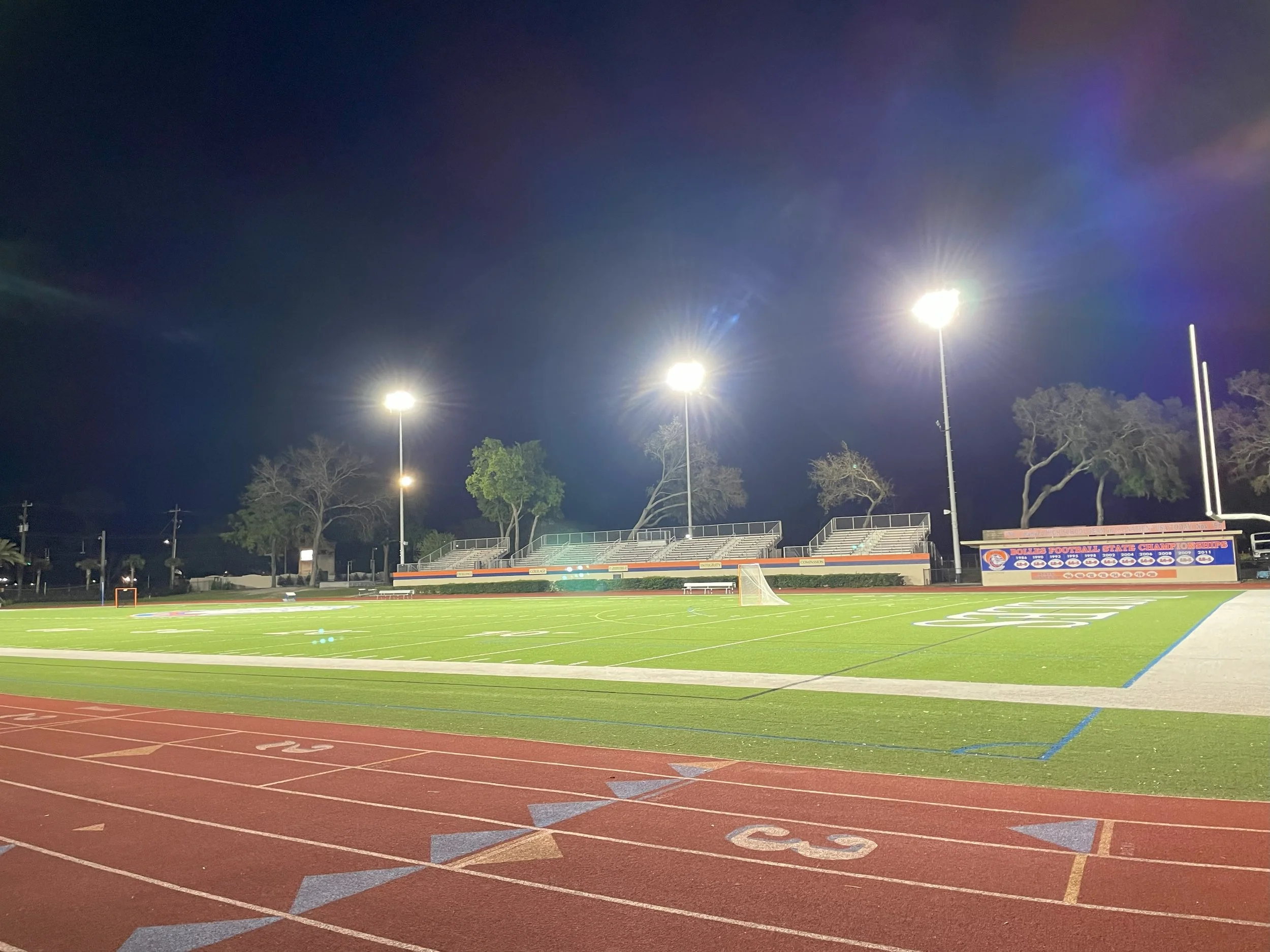
Image of the lighting that was addressed on campus.