
Reducing food waste for a healthier planet
I cringe every time I see enormous plates of food being served in restaurants, knowing most of that food will end up in the dumpster out back. Through my research, I became fascinated with landfills and traveled down a rabbit hole filled with exciting efforts to harness energy from landfills. While I am not currently working on a landfill energy program, I am better at using and storing food in my refrigerator and have started composting. With so many simple steps to reduce food waste and grocery bills, there is no excuse for so much waste.
Food waste and its social and environmental impacts can be seen at every phase of the food chain. On a social level, food is being diverted from feeding people who need it. Ecologically, it contributes to climate change and unsustainable land use. This article looks at the contributors to food waste, focusing on consumers. Consumers can reduce food waste by preventing spoilage, finding innovative solutions, and participating in policy decisions.
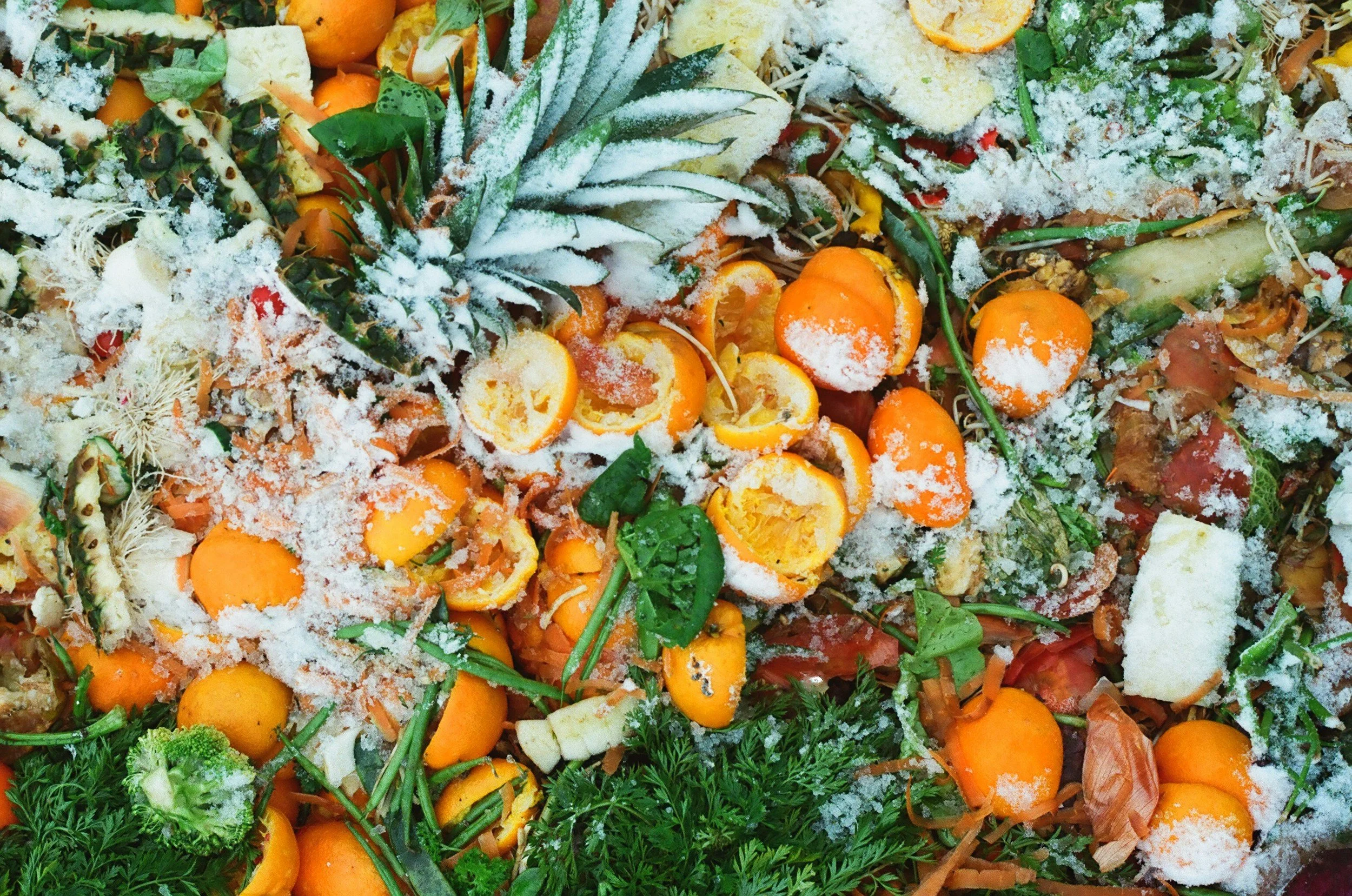
"Let's feed people, not landfills"
EPA Administrator, Gina McCarthy
22%
Estimates reveal 22% of solid waste consists of food waste (U.S. FDA, 2020)
12%
12% of American households lack access and availability to food (Economic Research Service, 2017).
In 2017, the U.S. Environmental Protection Agency (EPA) estimated that more food reaches landfills and incinerators than any other single material in our everyday trash, contributing to climate change and unsustainable use of our natural resources. Reducing food waste can feed more people and create a healthier planet.
Food decomposing in landfills releases the potent greenhouse gas methane, the most massive carbon footprint associated with wasted food (U.S. FDA, 2020). During a 12-year lifespan, methane traps 28 times more heat than carbon dioxide, making it an overwhelming contributor to climate change (GMI, 2019). However, methane's relatively short lifespan allows an opportunity to lower atmospheric levels if action is taken soon (GMI, 2019).
Wasted food equals wasted natural resources, such as water and energy. Growing, transporting, treating, and disposing of food is only possible if farmers have a healthy water and energy supply. Pumping water over crops and dispersing fertilizers, pesticides, and herbicides require energy. Inefficiencies in these resources will significantly impact their sustainability (Hannibal & Vedlitz, 2017).
These numbers are daunting but don't have to be. Consumers can follow four easy steps to reduce food waste:
Store food properly, 2. Ensure food has good visibility in the refrigerator, 3.Use leftovers, and 4. Learn to judge household food needs by planning meals.
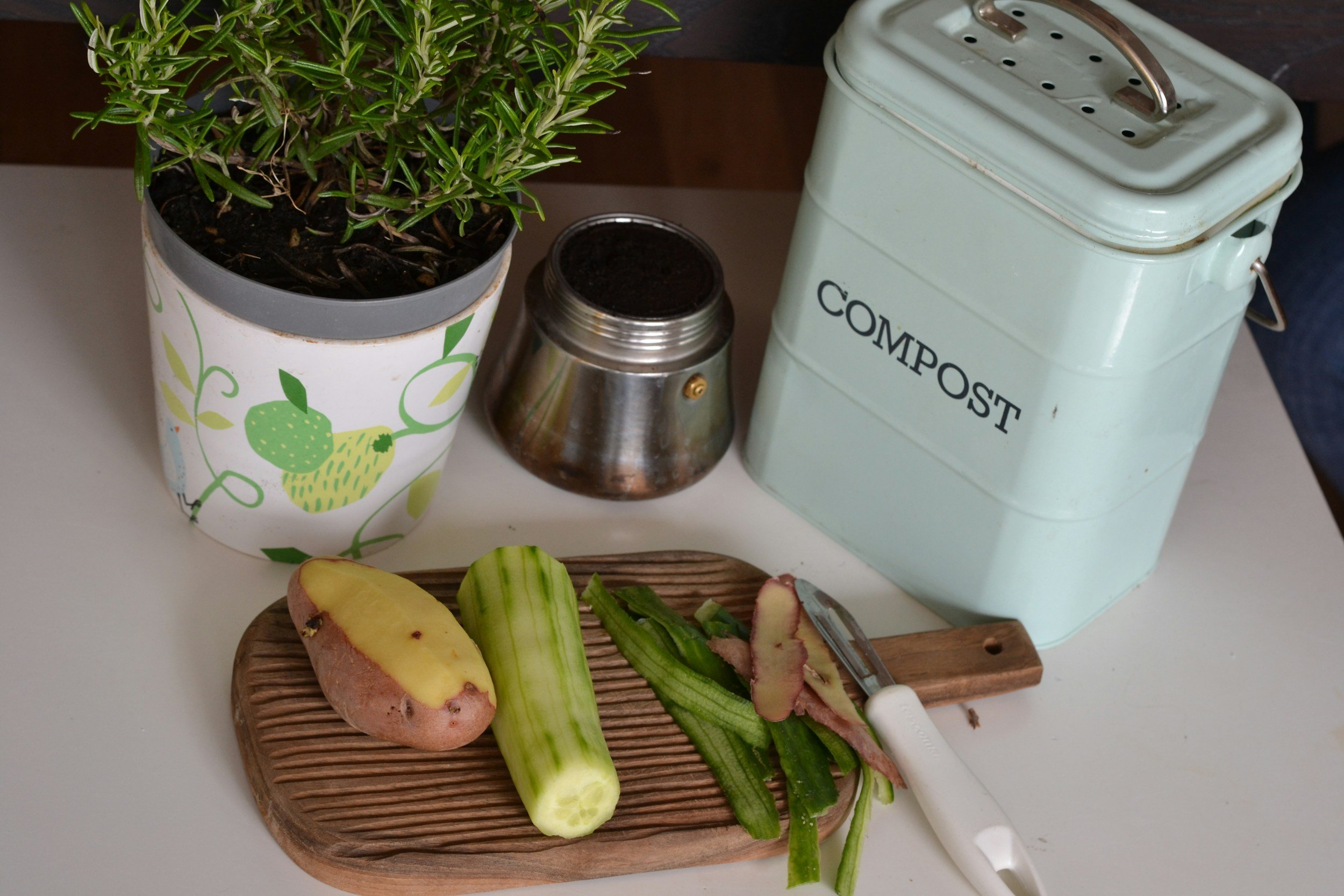
In addition, composting is an ideal option for food scraps, coffee grounds, eggshells, and other items not eaten.
CONSUMERS: THE INNOVATORS WE NEED
In 2013, Nobel Prize-winning economist Edmund Phelps wrote that a few isolated visionaries, such as Henry Ford and Steve Jobs, did not drive most of the innovation (Phelps, 2013). Phelps encourages us to recognize the millions of people who show up daily with innovative solutions, new products and processes, and improvements to existing ideas (Phelps, 2013). Consumers are filling the role of innovators when it comes to sustainability. In Jacksonville, Florida, two consumers started unique businesses to feed people rather than landfills.
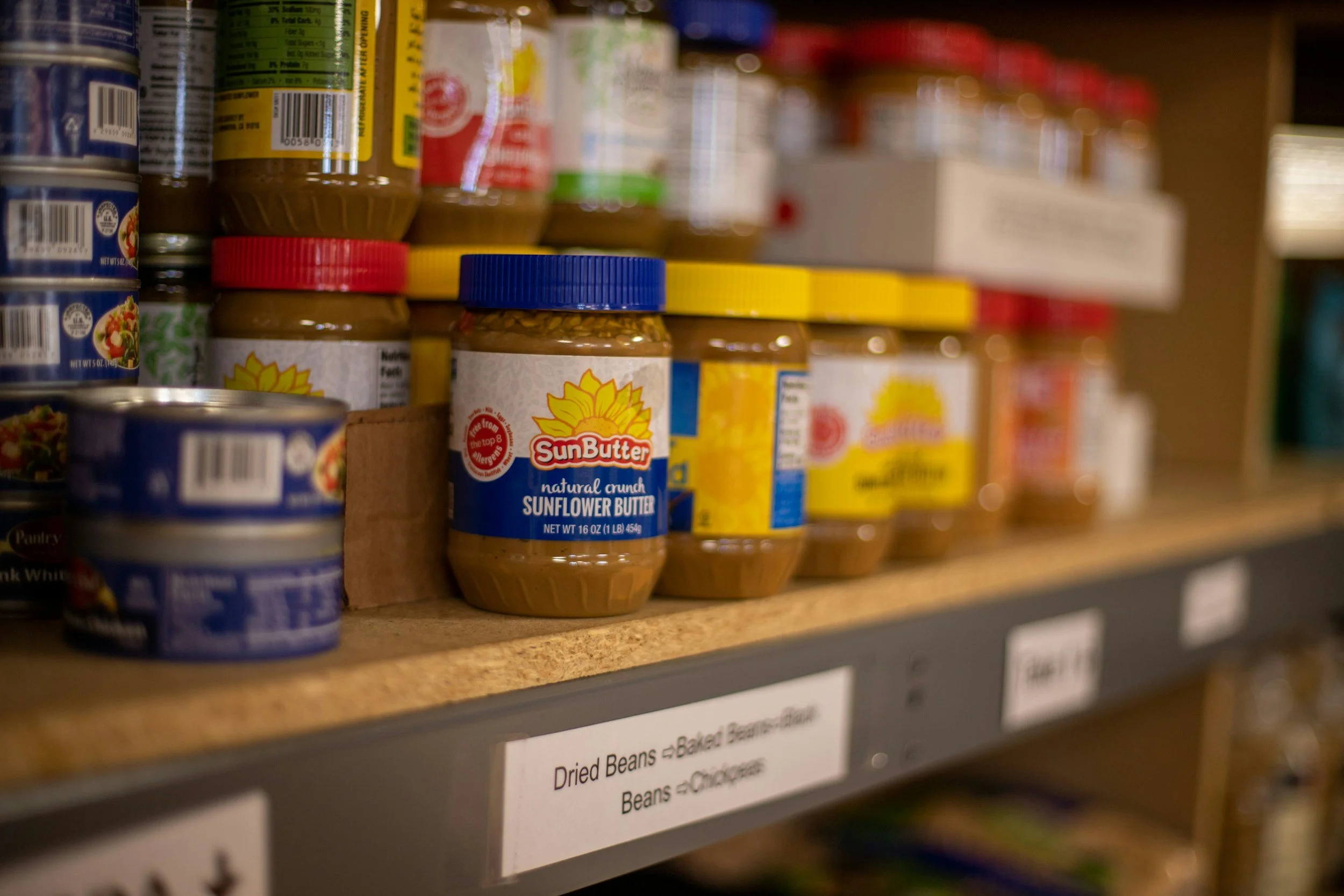
Waste Not Want Not, in ten counties throughout Northeast Florida, began with one woman rescuing food from her local grocery store and delivering it to the soup kitchen. In 2019, volunteers rerouted between 4,000 and 7,000 pounds of usable food from the landfill to soup kitchens, missions, food pantries, after-school programs, group homes, support meetings, and other nonprofits (Twachtman, 2019).
Another business in Northeast Florida, Apple Rabbit Compost, is collecting food scraps from local restaurants, residents, and farms. They generate compost that supplies community gardens, residents, restaurants, and farms (Apple Rabbit, 2020). This kind of stewardship and innovation is happening across the country.
We all hear the phrase 'vote with your wallet,' but don't disregard voting with a ballot. Landfills significantly impact climate change, and consumers are mistaken if they think they don't have a voice here. Policymakers are beginning to acknowledge the social, environmental, and nutritional problems related to food waste (Sobal & Nelson, 2003). In 2012, Vermont voters unanimously passed a Universal Recycling Law banning food scraps in trash bins by the end of that year (Vermont DEC, 2020).
In addition, the state's website features the advantages of enacting that law and what can and cannot be done with consumer food scraps. Similar laws restricting food waste have passed in California, Connecticut, Massachusetts, and Rhode Island. Maine and Rhode Island have also introduced legislation to reduce food waste in the U.S. school system (NCSL, 2020). However, consumers and policymakers must keep an open mind and thoroughly understand policies before taking action. One study revealed an unfavorable view of policies that burden local businesses without food waste plans (Hannibal & Vedlitz, 2017).
Beyond the home, we can all choose to shop and dine at businesses following food waste reduction plans. For example, Aldi, a U.K.-based grocer, participates in the Environmental Protection Agency Food Recovery Challenge to prevent and divert food waste (Aldi, 2020). Restaurants, including Olive Garden, Longhorn Steakhouse, and The Capital Grille, all participate in the Darden Harvest Program. This program allows surplus food to be cooked and donated to local food banks, shelters, and other charities (Darden, 2020). Consumers can clarify to companies that food waste reduction is a priority.
When possible, be an innovator or encourage those who are. Sustainability and stewardship benefit from new ideas and perspectives. Be aware of policies and legislation addressing landfills, food expiration dates, food banks, and composting. Local, state, and federal laws are moving through the government; they can have significant impacts, good or bad.
American consumers discard more than 40 million tons of food annually (USDA, 2020).
When food waste is measured by tons, this problem is worthy of resolution.
Food waste matters from a local to a global perspective. Locally, food should feed the community, not landfills. Globally, food waste contributes to climate change. Wasted water, energy, and land all result from unsustainable practices.
Understanding why consumers waste food is a critical first step in this complex system. A linear approach to problem-solving will not work here. Solutions are needed to adjust the initial conditions and keep the problem from happening in the first place (Wessels, 2013). Rather than asking how to handle tons of food waste, shift to asking why tons of food become waste. One step is encouraging consumers to plan their meals, store food properly, reuse leftovers, and compost. Restaurants could better address meal sizes and food inventory. Grocers could rethink decisions about bulk and sale items. Quick spoilers, like produce, may not be the ideal buy one get one free option.
Consumers have the power to affect change at every phase of the food chain. They can also be the innovators, compassionate shoppers, and policymakers our planet needs.
ARTICLE REFERENCES
Aldi Grocers. (2020). Corporate responsibility https://corporate.aldi.us/en/corporate-responsibility/environment/food-waste-recovery/
Apple Rabbit. (2020). http://applerabbit.org/
Darden Restaurants, (2020). http://servingfoodsolutions.com/the-solutions/restaurants/darden-restaurants/
Economic Research Service (USDA). (2017). Food Security in the U.S.: Key Statistics & Graphics. https://www.ers.usda.gov/topics/food-nutrition-assistance/food-security-in-the-us/key-statistics-graphics.aspx
Environmental Protection Agency (EPA). (2015). EPA urges public to reduce food waste. https://eponline.com/articles/2015/11/12/epa-urges-public-to-reduce-food-waste.aspx
Fox, Nick & Ward, Katie. 2007. Appetite Volume 50, Issues 2–3, March–May 2008, Pages 22-429. Health, ethics and environment: A qualitative study of vegetarian motivations
Global Methane Initiative. (2019). https://www.globalmethane.org/
Gunders, Dana, Bloom, Jonathan, Berkenkamp, JoAnne, Hoover, Darby, Spacht, Andrea, & Mourad, Marie. (2017). Wasted: How America is losing up to 40 percent of its food from farm to fork to landfill. https://www.nrdc.org/sites/default/files/wasted-2017-report.pdf
Hannibal, Bryce & Vedlitz, Arnold. (2017). Throwing it out: Introducing a nexus perspective in examining citizen perceptions of organizational food waste in the U.S. Environmental Science and Policy. Volume 88, 63-71. https://www.sciencedirect.com/science/article/pii/S1462901117311395#bib0340
Kase, Lori Miller. (2018). It’s Time to Reinvent Food Waste! JSTOR Daily. https://daily.jstor.org/its-time-to-reinvent-food-waste/
Maynard, Lily. (2020). Pathways to conservation behavior change introduction. Video. https://www.youtube.com/watch?v=igOirxd_7Fg&feature=emb_title
Moriarty, Kristi (2013) Produced under direction of the U.S. Environmental Protection Agency (EPA) by the National Renewable Energy Laboratory (NREL) under Interagency Agreement IAG-08-0719 and Task No WFD3.1001. Feasibility Study of Anaerobic Digestion of Food Waste in St. Bernard, Louisiana A Study Prepared in Partnership with the Environmental Protection Agency for the RE-Powering America’s Land Initiative: Siting Renewable Energy on Potentially Contaminated Land and Mine Sites. https://core.ac.uk/download/pdf/188986377.pdf
National Conference of State Legislatures (NCSL). (2020). Fighting food waste. https://www.ncsl.org/research/environment-and-natural-resources/fighting-food-waste.aspx
Phelps, Edmund S. (2013). Mass Flourishing: How Grassroots Innovation Created Jobs, Challenge, and Change. Princeton University Press.
Sobal, Jeffery & Nelson, Mary Kay. (2003). Food waste. Solomon H. Katz (Ed.), Encyclopedia of Food and Culture, Charles Scribner’s Sons, New York, 28-29
Statista. (2017). Most commonly wasted food types in the U.S. https://www.statista.com/statistics/696123/americans-most-commonly-wasted-food-types-united-states/
Twachtman, Jack. (2019). Local nonprofit connects the dots between food waste and hunger. VOID. https://voidlive.com/local-nonprofit-connects-the-dots-between-food-waste-and-hunger/
U.S. Department of Agriculture. (2020) Food Waste FAQs. https://www.usda.gov/foodwaste/faqs
U.S. Food and Drug Administration. (2020). Video: https://www.fda.gov/food/consumers/food-waste-animations
U.S. Welfare (2017). Census Data
Vermont Department of Environmental Conservation (DEC). (2020). Vermont’s Universal Recycling Lawhttps://dec.vermont.gov/waste-management/solid/universal-recycling
Wartmann, Flurina M & Purves, Ross S. (2018). Investigating sense of place as a cultural ecosystem service in different landscapes through the lens of language. Landscape and Urban Planning Volume 175, 169-183. https://www.sciencedirect.com/science/article/pii/S0169204618300963
Wessels, T. (2013). The Myth of Progress: Toward a Sustainable Future. University Press of New England.
Young, William, Russell, Sally V., Robinson, Cheryl A., & Barkemeyer, Ralf. (2016). Can social media be a tool for reducing consumers’ food waste? A behaviour change experiment by a UK retailer. Resources, Conservation and Recycling. Volume 117, Part B, 195-203. https://www.sciencedirect.com/science/article/pii/S092134491630316.